
Table of Contents
ToggleRainbow Six Mobile has carved out its own identity in the tactical shooter space, bringing the strategic depth of Siege to your pocket without compromising on the core mechanics that make the franchise challenging and rewarding. Unlike many mobile shooters that prioritize arcade-style gameplay, Rainbow Six Mobile demands map knowledge, operator synergy, and decision-making that separates casual players from competitive threats. Whether you’re looking to climb the ranked ladder or just understand what makes this game tick, you’ll need to grasp the fundamentals first, and that starts with understanding how the game’s hybrid turn-based and real-time systems actually work. This guide breaks down everything from basic mechanics to advanced competitive tactics, giving you the tools to elevate your Rainbow Six Mobile gameplay across all skill levels.
Key Takeaways
- Rainbow Six Mobile gameplay combines turn-based tactical planning with real-time execution, demanding map knowledge and operator synergy rather than reflexes alone.
- Master operator roles and team composition—include at least one hard breacher, anchor, and roamer—to separate yourself from casual players and climb ranked ladder effectively.
- Audio cues, gadget placement, and progressive map control are critical; gather intel before engaging and communicate positions constantly to avoid common competitive mistakes.
- Start with beginner-friendly operators like Thermite or Rook to learn fundamentals, customize your control settings and sensitivity for mobile, and focus on win rate over grinding specific ranks.
- Competitive Rainbow Six Mobile success requires reviewing losses, joining communication-focused squads, and adapting strategies based on seasonal balance changes and meta shifts.
Understanding the Core Gameplay Mechanics
Turn-Based Strategy and Real-Time Engagement
Rainbow Six Mobile’s most distinctive feature is its hybrid gameplay system. On one side, you’ve got the tactical planning phase, this is where turn-based elements shine. You and your opponent place operators, plan your approach, and set up defensive positions before any shots are fired. This creates the strategic backbone that separates Rainbow Six from run-and-gun competitors.
Once that prep phase ends, the game shifts into real-time tactical execution. You’re now controlling your operator in first-person perspective, managing your positioning, aim, and decision-making under pressure. This blend means you can’t just react off raw reflexes alone, you need to think several steps ahead.
The key difference from desktop Rainbow Six Siege is the pacing. Mobile matches are faster, with shorter rounds and tighter maps. Your TTK (time-to-kill) windows are tighter, rotations happen quicker, and mistakes get punished harder. Understanding when to play aggressive versus when to hold a defensive position becomes critical.
Operator Selection and Role-Based Gameplay
Every operator falls into one of two sides: Attackers or Defenders. More importantly, they fill specific tactical roles that determine your team composition strategy.
Attacker roles generally break down into:
- Fraggers: High damage, push-focused operators like Sledge or Ying. Their job is to kill enemies and open sightlines.
- Supports: Operators like Thermite or Ace who bring gadgets for hard breach or utility denial. They enable your team’s push.
- Intel: Operators like Twitch or IQ who gather information and deny defender utility.
Defender roles include:
- Anchors: Operators who hold the objective site. Rook, Tachanka, and others with reinforcements or area denial gadgets.
- Roamers: Operators like Vigil or Lesion who deny map space and catch attackers off-guard during rotations.
- Intel Denial: Operators like Mute or Jaeger who counter attacker gadgets and information gathering.
Your team’s operator picks must synergize. You can’t stack five fraggers and expect to breach a well-coordinated defense. Competitive Rainbow Six Mobile gameplay relies on balanced team composition, something that becomes obvious once you climb past casual ranks.
Map Layout and Environmental Control
Maps in Rainbow Six Mobile are significantly smaller than their desktop counterparts, but the vertical gameplay and destructible environments remain just as punishing. Understanding map flow separates consistent winners from frustrated grinders.
Every map has specific high-traffic corridors, rotations, and power positions. For example, knowing which walls are reinforceable, which hatches can be opened, and where cameras should be placed turns you from a lost player into a dangerous opponent.
Environmental control is everything. Defenders need to deny attacker rotations and maintain sightlines on common approach points. Attackers need to systematically clear roamers, establish intel, and create breaching opportunities. The best players don’t memorize one defensive setup, they adapt based on where they expect attackers will come from.
One often-overlooked detail: destructible walls and floors aren’t just tactical, they’re map architecture that changes how fights play out. Soft walls can be shot through at certain angles, hard walls need breached, and impacts on wood create noise that gives away your position. Map control means understanding these environmental properties at a muscle-memory level.
Practice by replaying the same map repeatedly with different operators. You’ll start noticing callouts, camera positions, and rotation patterns that casual players never catch. This is where thousands of hours of competitive Rainbow Six Siege translate directly, the fundamentals of map control haven’t changed.
Essential Tips for New Players
Building Your First Loadout and Team Composition
When you’re starting out, resist the urge to pick your favorite operator purely on aesthetics or gadget coolness. Instead, start with one of the beginner-friendly operators that teach you game fundamentals without overwhelming complexity.
Strong starter operators include:
- Thermite (Attacker): Breach role with straightforward gadget usage. His hard-breach charges force defenders to adapt.
- Rook (Defender): Drop armor plates and anchor the objective. Pure, simple utility that helps teammates.
- Jäger (Defender): His ADS (Active Defense System) shoots down grenades automatically. Teaches you how gadget placement matters.
- Hibana (Attacker): Pellet-based hard breach. Less predictable than Thermite, slightly higher skill floor.
Your team composition should always include at least one hard breacher, one anchor, and one roamer. Fill the remaining slots based on opponent tendencies. If they’re running Jäger, bring operators who don’t rely on grenades. If they’re defensive-heavy, bring a fragger who can pressure rotations.
Don’t copy pro player setups verbatim if you don’t understand why those picks synergize. You’ll get destroyed because you’re playing roles you don’t understand. Master one role first, then expand.
Resource Management and Progression
Rainbow Six Mobile uses a progression system where earning credits, unlocking operators, and upgrading gear matter. Early on, you’ll feel pressure to spend money, resist it. Free-to-play progression is reasonable, and spending won’t change the skill gap.
Your first priority is unlocking operators that fill different roles. Don’t blow all your credits on cosmetics. Operator unlocks should come first, then gear upgrades that provide minor stat boosts.
Ranked progression works through seasonal ranks. Each season resets your rank partially, rewarding consistent play without completely punishing old seasons. Focus on win rate rather than grinding for a specific rank. A 55% win rate will climb you steadily: a 50% win rate will plateau you.
Join a Discord community or find a consistent squad early. Solo queue teaches you individual mechanics, but squad play teaches you the communication and coordination that separates casual from competitive. The game’s Operators in Rainbow Six page breaks down operator fundamentals that translate directly to Mobile version’s role requirements.
Advanced Tactics for Competitive Play
Defensive Positioning and Map Knowledge
Competitive Rainbow Six Mobile defense isn’t about finding one perfect spot and camping there. It’s about reading the attack, setting up crossfires, and managing utility efficiently.
Start your defense by identifying your objective site’s weakest entry points. Place one anchor there, someone with reinforcements, deployable shields, or area denial. Your roamers set up in predictable rotation paths, forcing attackers to clear them early and burn utility.
As attackers push, defenders retreat into pre-planned secondary positions. This creates depth. Good defenses don’t hold the objective site itself until the last seconds: they deny map control progressively, making attackers burn time and utility clearing angles.
Gadget placement is critical. Cameras should watch common attacker approach points. Sound traps should cover rotations. Utility denial (like Jäger’s ADS) should cover angles where attackers will place explosives. Each gadget should serve a purpose beyond “looks cool.”
When defending, audio cues matter more than visuals on mobile. You’ll hear Sledge’s hammer, Thermite’s breaches, and footsteps in adjacent rooms. Use these audio cues to predict where attackers will strike next. This is where thousands of Siege hours help, you know what Sledge sounds like before you see him.
Offensive Strategies and Operator Synergy
Attack planning starts pre-round. Watch which operators defenders picked, note their likely defensive setup, and identify your breach route. The best attacks have a clear objective: kill the anchor, deny utility, establish map control, and finally plant the defuser.
Operator synergy on attack is about enabling your hard breacher. If you’re running Thermite, bring IQ to clear gadgets beforehand. Bring Twitch to deny defender utility from range. Bring a fragger who can pressure rotators while Thermite works on walls. Every operator should either protect the breach or enable it.
Timing is everything in attack. Don’t spread out and get picked off one-by-one. Push as a coordinated unit, establish numbers advantage in key areas, and only then execute your breach. Rushing creates easy defender picks: coordination creates overwhelming offense.
Practice common breach patterns on each map. You should know exactly where your hard breacher will stand, which angles teammates will cover, and what your fallback positions are if the plan fails. Surprises rarely work in competitive play, disciplined execution beats creativity.
Common Mistakes and How to Avoid Them
Peeking without info: Wandering into unknown areas without drones, cameras, or teammate callouts is how you get instant-killed. Always gather information before committing to an area. Attackers should have drone intel: defenders should have camera placement. Don’t challenge unknown angles.
Overcommitting to a gadget: Your breach is blocked by reinforced walls? Don’t stand in front of it as an easy target. Fall back, regroup, and try a different route. Rigidity loses rounds. Good teams adapt mid-round based on what they learn.
Solo-roaming as a defender: While roaming is essential, going too deep into attacker territory without a clear retreat route gets you trapped. Roam with purpose, deny a specific corridor or rotation, then fall back before you’re surrounded. Solo roamers who get picked give attackers a numbers advantage.
Not communicating your position: Your teammates can’t help you if they don’t know where you are. Call out your location, incoming threats, and utility placement. A team that communicates poorly loses to teams with worse aim but better callouts.
Ignoring the timer: On attack, don’t spend three minutes clearing one side of the map. Check the clock. If you have one minute left and haven’t planted, you’ve already lost the round. Pressure the objective, even if it means taking small risks.
Stacking operators with redundant utility: Five defenders with area-denial gadgets means nobody has a hard counter to certain attacks. Balanced team composition matters. If you’re running three operators with defensive utility, bring someone who can roam and deny attacker map control.
These mistakes feel small individually, but they compound across ten rounds. Eliminate them, and you’ll climb ranks immediately.
Optimizing Your Mobile Gaming Experience
Control Settings and Performance Tweaks
Mobile controls will feel awkward at first if you’re coming from desktop Rainbow Six Siege. The adjustment period is real, but customization can speed it up dramatically.
First, disable auto-aim. It sounds counterintuitive, but auto-aim reduces your precision. Manual aiming teaches you muscle memory faster, and once it clicks, you’ll out-aim opponents relying on assists. Toggle this in settings immediately.
Customize your sensitivity settings. Start with a middle-ground value (around 50% if the game uses 0-100), then adjust based on your feel. Some players prefer lower sensitivity for precision: others like high sensitivity for quick rotations. Test different values in casual matches before ranked grinding.
Button placement matters. You’re holding a phone with two thumbs, so placing essential functions where your thumbs naturally rest prevents accidental presses. Reload, melee, and equipment use should be easily accessible without stretching.
Check your graphics settings. Rainbow Six Mobile runs on most modern phones, but turning down effects like motion blur and shadows improves performance without major visual loss. Consistency matters more than looks, stable 60 FPS beats stuttering 120 FPS.
If you’re on iPad or a larger device, consider external controller support if available. The haptic feedback and physical buttons reduce finger fatigue during long sessions. Many competitive players use controllers specifically for this reason.
Find an optimal viewing distance. Holding your phone too close or far creates aiming problems. Most players hold their device about 10-12 inches from their face, far enough to see the full screen, close enough to read enemy positions clearly.
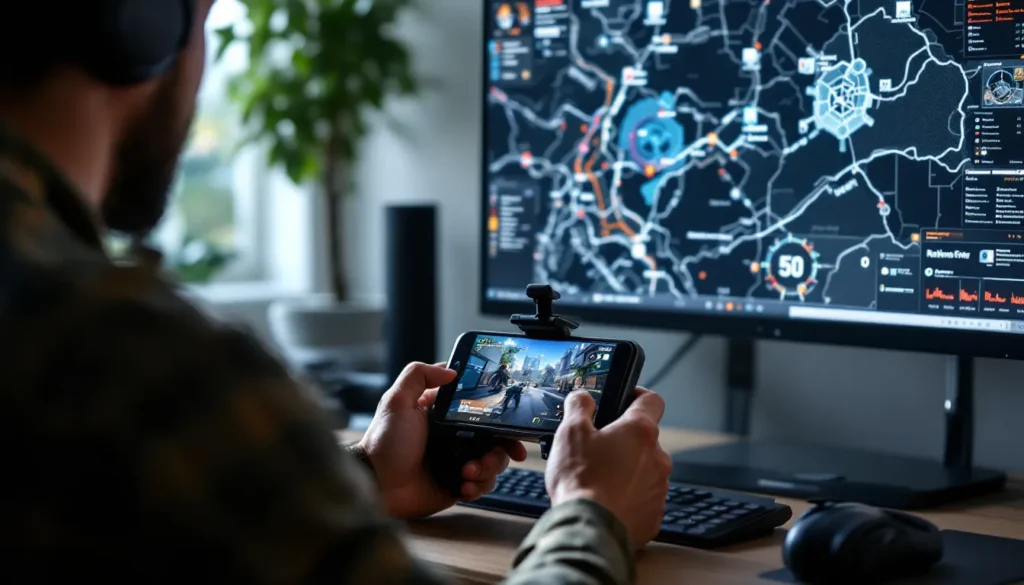
Finally, invest in a phone mount or stand during practice sessions. Holding your device the entire time causes hand fatigue that degrades performance. A stable mount eliminates this variable, letting you focus on mechanics. Some players using Rainbow Six Siege Test features have noted how testing different settings on desktop helps them optimize their mobile config, since balance patches affect mobile versions similarly.
Conclusion
Rainbow Six Mobile demands respect as a tactical shooter, not just another mobile game you play during bathroom breaks. The fundamentals, map knowledge, operator synergy, communication, and smart positioning, separate players who climb ranks from those stuck in casual pools.
Your first 50 hours should focus on learning two operators deeply: one attacker and one defender. Master their gadgets, understand their role in team composition, and learn how they influence round outcomes. Once you’re comfortable, expand your operator pool. Pick up a Rainbow Six Siege Azami: Unleash Her Tactical Mastery and Game-Changing Barriers or Fuze to see how different operator mechanics teach you new tactical approaches.
Join communities on Discord, find teammates who communicate, and review your losses. You’ll lose rounds that felt unwinnable, that’s not poor luck, that’s an information gap. Watch what the winning team did differently and adapt. This iterative improvement is what separates casual from competitive players in any tactical shooter.
The meta will shift with seasonal balance changes, new operators, and map adjustments. Stay informed through community resources like The Loadout and Game8 that cover mobile tactical shooter updates regularly. Adapt your strategies based on patch notes, and you’ll maintain your edge.
Rainbow Six Mobile is rewarding exactly because it’s demanding. Master these fundamentals, and you’ll find yourself competing at levels that seemed unreachable weeks ago.


